- New Wave
- Posts
- The Rejection Economy
The Rejection Economy
When saying no costs more than saying yes

Haley Shinn
June 20, 2025


𝑰𝒏 𝑻𝒐𝒅𝒂𝒚'𝒔 𝑾𝒂𝒗𝒆:
🚫 How brands profit by offering fewer options
💰 Why restriction has become the new luxury
🎯 Five industries charging premium for less choice
🔮 What this means for the future of consumer behavior
𝑻𝒉𝒆 𝑺𝒉𝒊𝒇𝒕
We're living in a world where people pay $40 annually for apps that block other apps they already own. Where less wardrobe equals more spend. Where restaurants charge extra specifically because you can't customize your meal.

Welcome to the rejection economy - where consumers are paying premium prices for products and services that actively limit their choices, restrict their access, or help them say no to consumption entirely.
The shift we’re witnessing is brands discovering they can charge more by offering less, and consumers are willing to pay extra for the privilege of having fewer options.
In traditional economics, more choice equals more value. But the smartest companies have flipped this equation: they're making restriction the luxury and limitation the selling point.
𝑬𝒂𝒓𝒍𝒚 𝑺𝒊𝒈𝒏𝒂𝒍𝒔
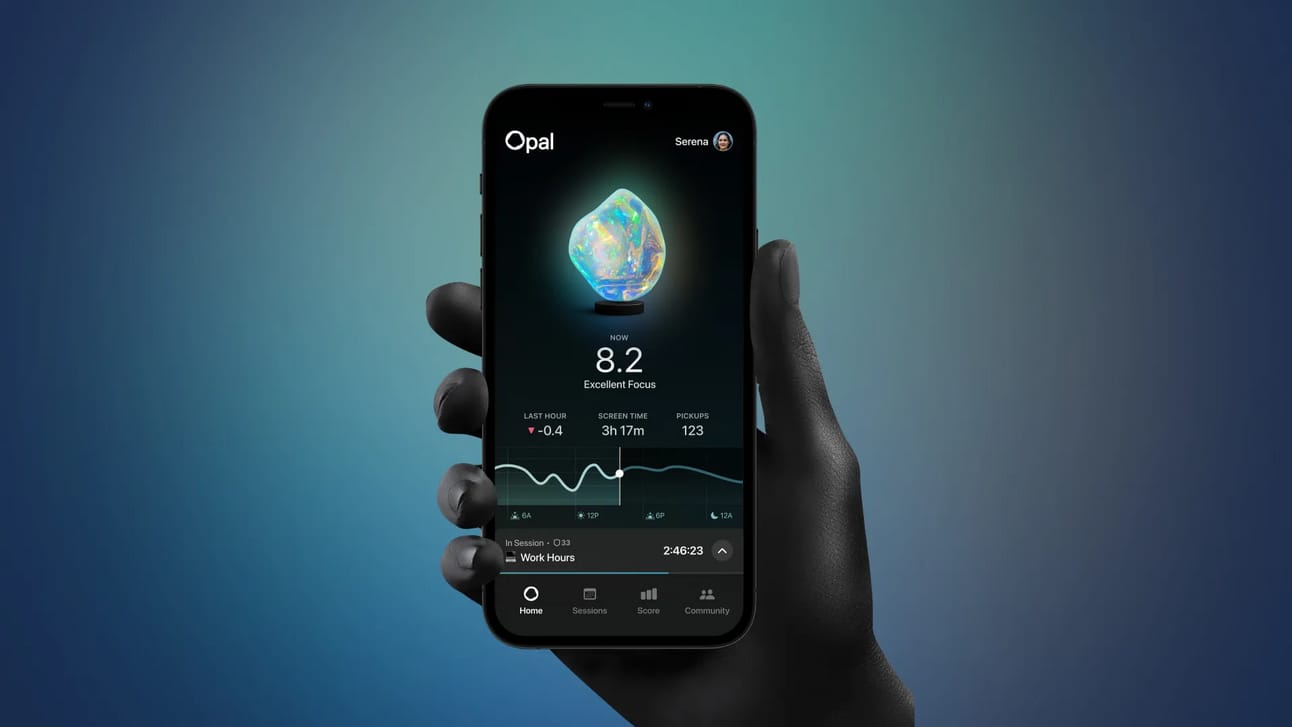
Opal App: $10M Revenue for Digital Handcuffs
This Paris-based startup charges professionals to block their own phones and has hit $10 million in annual recurring revenue. Unlike most apps offering free trials, Opal charges from day one - no free tier. Users pay monthly for the discipline of enforced breaks, with the company's founder explaining that "attention is our most valuable currency." The contradiction is perfect: people paying to use the devices they already own less effectively.
Omakase Dining: $125 for Zero Choice
Restaurants are charging premium prices for meals where customers surrender all control. The Japanese tradition of omakase ("I'll leave it up to you") has exploded beyond sushi into "taco omakase" and fixed menus with strict "no substitutions" policies. Chicago restaurants now offer surprise multi-course meals for $125+ per person, with diners paying specifically because they can't customize their experience. The restriction itself justifies the price premium.

Book of the Month: Profitable Friction
This popular subscription service offers five book options monthly but deliberately limits customers to one choice (extras cost more). Despite having access to five curated titles, subscribers pay $15.99 for imposed decision-making limits. The friction isn't a bug - it's the feature. Users celebrate the constraint, with Reddit reviewers highlighting how the limitation creates anticipation and forces thoughtful selection rather than choice paralysis.
TikTok #NoBuy: 94 Million Posts of Profitable Restraint
Social media users are turning spending restrictions into viral content, with 94 million TikTok posts tagged #NoBuy by 2025. Influencers monetize "no-buy coaching" while followers celebrate saving thousands by purchasing nothing for entire years. What started as personal financial discipline has become a content category where restriction generates revenue and saying no creates social capital.

Capsule Wardrobe Consulting: $1.3B in Less
The global capsule wardrobe market reached $1.3 billion in 2023 and is projected to hit $2.6 billion by 2030. Consultants charge $500+ to help people own fewer clothes, selling "decision-free" closets as premium lifestyle design. Instead of selling more clothing, these services profit by helping customers eliminate options, reduce choices, and embrace constraint as sophistication.

𝑾𝒉𝒚 𝑵𝒐𝒘?
Three converging forces make this shift particularly significant:
Choice Overload Hits Its Limit. Decision fatigue from endless options has created real demand for curated limitation. When everything is available instantly, choosing becomes actual work. Brands that remove options instead of adding them feel like relief.
Attention Becomes Valuable. In an economy built on capturing focus, mental bandwidth is now the scarcest resource. People pay premium prices for tools and experiences that protect their attention rather than compete for it. The most valuable service isn't entertainment - it's permission to focus.
Status Through Restraint. Showing off what you have is giving way to showing off what you don't need. The new luxury isn't having more options but needing fewer ones. Minimalism and intentional constraint signal sophistication in ways that abundance no longer can.
𝑭𝒖𝒕𝒖𝒓𝒆 𝑰𝒎𝒑𝒍𝒊𝒄𝒂𝒕𝒊𝒐𝒏𝒔

Limitation as Premium Positioning. Brands will build constraints into their offerings as competitive advantages. The premium position won't be "we give you everything" but "we give you exactly what you need."
Friction as a Service. Companies will start selling productive friction - intentional delays, purposeful limitations, and strategic constraints. The smoothest user experience won't always be the most valuable one.
Curation Beats Creation. Instead of maximizing options, businesses will focus on optimizing decisions. The most successful services will help customers choose better, not choose more.
The rejection economy isn't about deprivation - it's about intention. Companies that master profitable limitation will define the next wave of premium experiences.
𝑸𝒖𝒊𝒄𝒌 𝑻𝒊𝒑𝒔
🎯 Audit Your Options Overload: Look at your current offerings and identify where you might be overwhelming customers with choices. Could you create a "curated" or "simplified" tier that deliberately limits options while charging premium pricing? Sometimes less really is more valuable.
🚫 Create "Good" Barriers: Map out your customer journey and identify where you might be making things too easy. Could you add a waiting period before big purchases? A brief application for premium services? A small commitment (like a deposit) to reduce no-shows? Sometimes a little friction helps customers value what they're getting.
💡 Sell Permission to Say No: Help your customers resist other options rather than just promoting your own. Create services, tools, or frameworks that give people permission to want less, choose less, or do less. Position constraint as sophistication, not limitation.

𝑵𝒆𝒙𝒕 𝑾𝒂𝒗𝒆
See you next week, same time, same place.
If this email was forwarded to you, sign up here.
Stay wavey,
Haley