- New Wave
- Posts
- Synthetic Authenticity
Synthetic Authenticity
When "real" is a design choice, not a byproduct

Haley Shinn
May 20, 2025


𝑰𝒏 𝑻𝒐𝒅𝒂𝒚'𝒔 𝑾𝒂𝒗𝒆:
🎭 The paradox of designing authenticity at scale
🧠 Why we prefer curated "realness" over actual spontaneity
👀 Four brands mastering the authenticity illusion
🌊 What this means for premium experiences
𝑻𝒉𝒆 𝑺𝒉𝒊𝒇𝒕
Picture this: You open Instagram and spot a friend's "casual" coffee moment. Perfect lighting, tastefully messy desk, and a caption reading "just another Monday." But look closer – the notebook is positioned just so, the coffee ripple is pristine, the "mess" is curated. That spontaneous moment? It took three attempts, multiple filters, and careful staging.

Consumers aren't just tolerating engineered realness - they expect it.
I'm calling this shift "Synthetic Authenticity" – when brands engineer experiences that feel organic but are meticulously crafted to hit emotionally, visually, and commercially.
The smartest companies aren't trying to be genuinely real – they're designing what real should feel like. And we're all playing along.
𝑬𝒂𝒓𝒍𝒚 𝑺𝒊𝒈𝒏𝒂𝒍𝒔
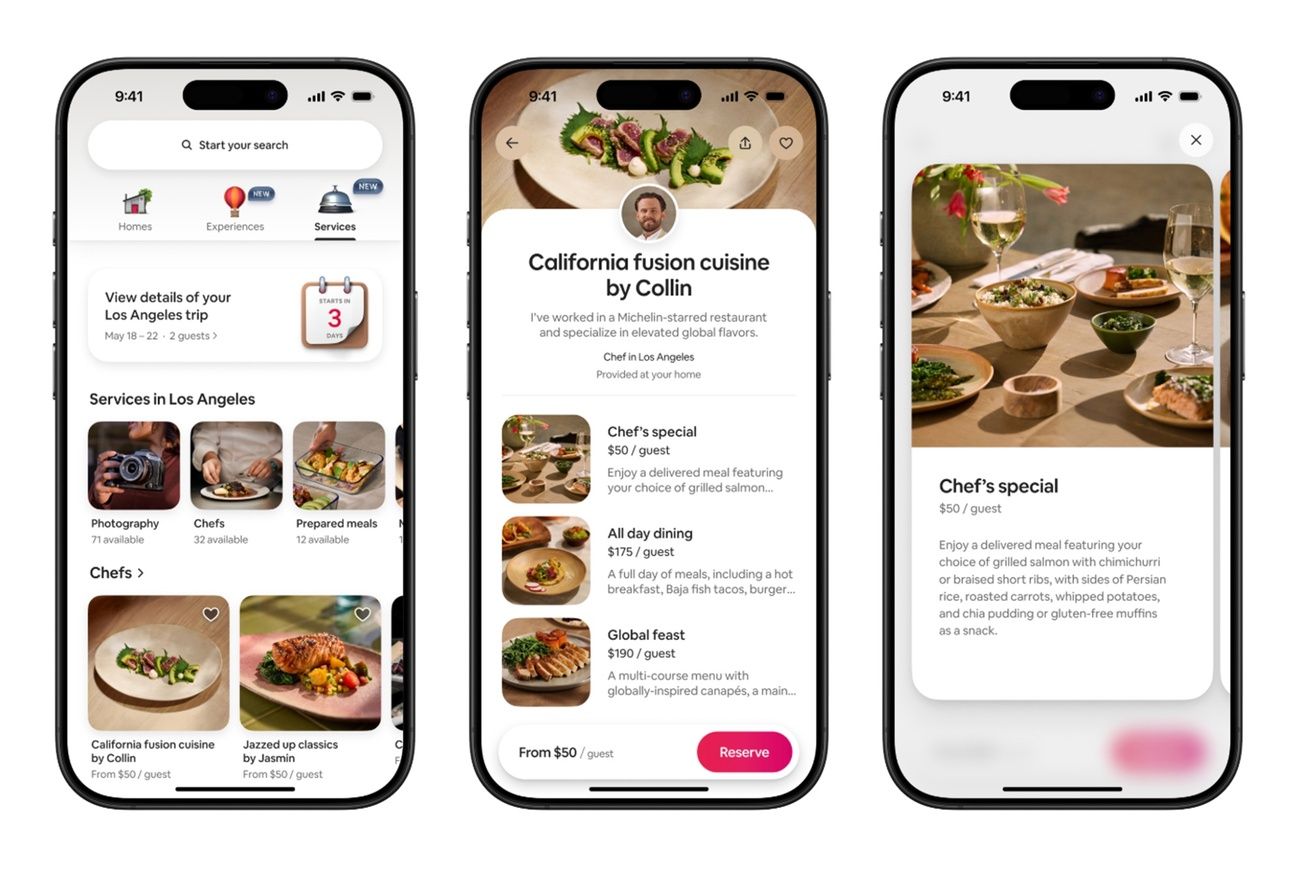
Airbnb's Everything App
The new Airbnb app doesn't just help you book a home - it manufactures the entire "local" experience. It analyzes your data to create recommendations that feel like spontaneous discoveries. That "Welcome to your trip" itinerary with hidden neighborhood gems? Pure algorithm. Users know this but embrace the illusion because engineered serendipity beats actual random encounters.
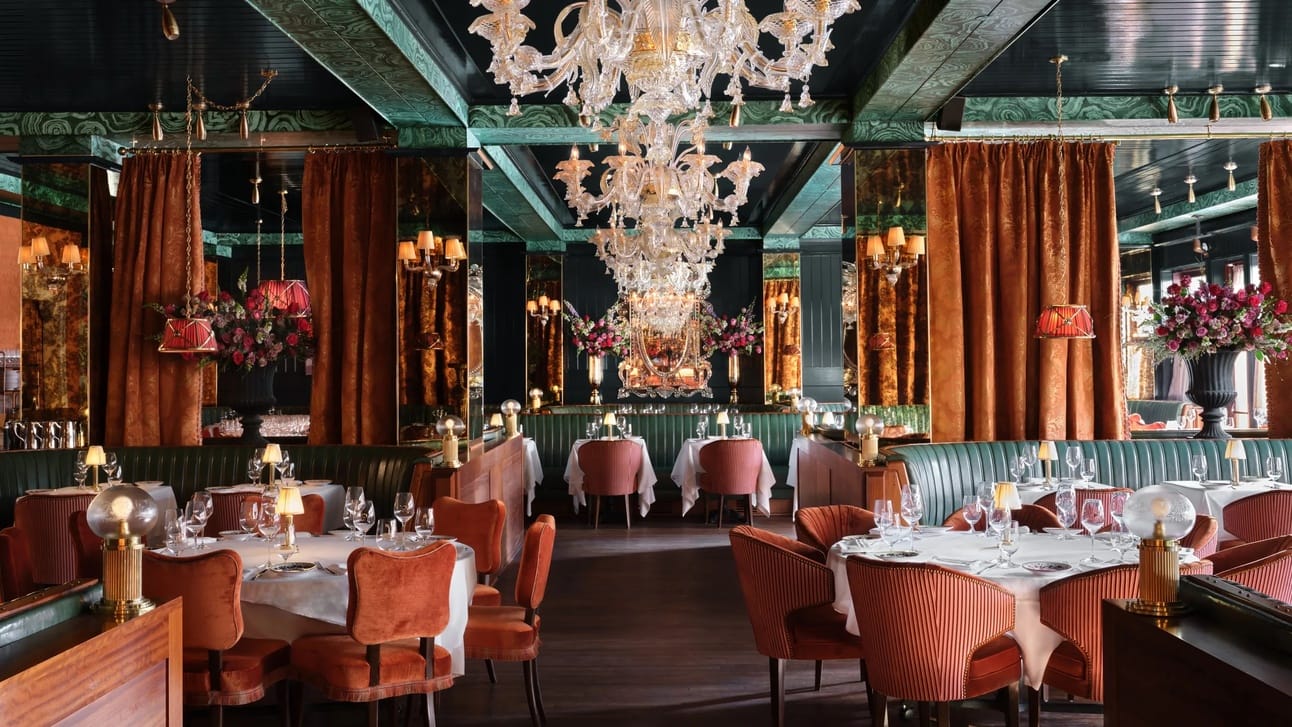
Carbone's ‘Scripted Nostalgia’
At $42 for spicy rigatoni, Carbone sells the perfect simulacrum of Italian-American dining. The vintage music, tableside service, and dim lighting create an authentic vibe while being optimized for Instagram. Diners aren't paying for home cooking - they're buying a perfectly calibrated simulation that feels discovered rather than designed.
BeReal's Timed Authenticity
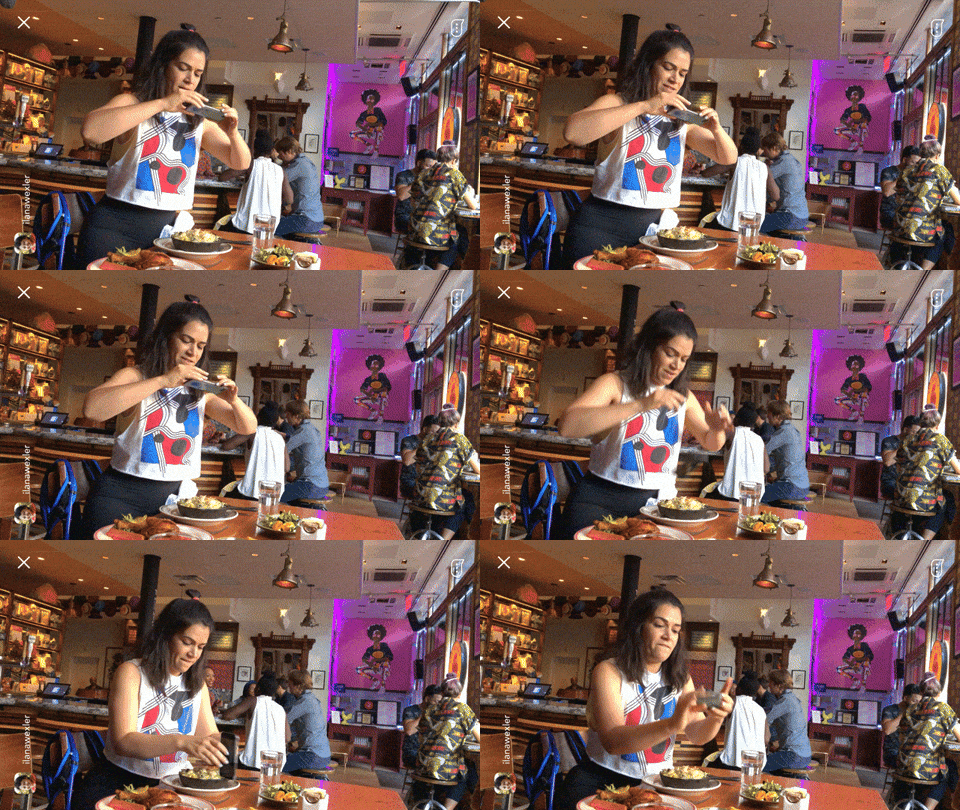
BeReal promised to save us from fake social media with its daily two-minute posting window. The result? A new form of performance where users stage their "casual" moments in anticipation of notifications. Many take multiple versions or delay posting until they're doing something "authentic enough." The platform hasn't eliminated performance - it's created a new aesthetic of manufactured spontaneity.

Our Place's Engineered Belonging
This cookware brand builds premium pricing by wrapping modern products in crafted authenticity. Founder Shiza Malik's backstory, carefully selected user content, and product names referencing cultural cooking practices create an illusion of tradition despite being founded in 2019. Buying an Always Pan feels like joining a movement – a perfectly engineered sensation that justifies premium pricing.

𝑾𝒉𝒚 𝑵𝒐𝒘?
Three converging factors make this shift particularly significant:
The Authenticity Overload. Consumers have developed BS detectors after years of "authentic" marketing. The answer isn't more actual authenticity, but better-engineered versions that deliver emotional resonance without the drawbacks.
Production Value Everywhere. With DIY-grade pro tools now accessible to everyone, even "raw" content meets production standards. Consumers expect authenticity with quality - realness, but make it cinematic.
The Experience Economy 2.0. Engineered authenticity consistently outperforms actual spontaneity. Consumers aren't being fooled - they're trading unpredictability for reliable delight packaged as discovery.
𝑭𝒖𝒕𝒖𝒓𝒆 𝑰𝒎𝒑𝒍𝒊𝒄𝒂𝒕𝒊𝒐𝒏𝒔
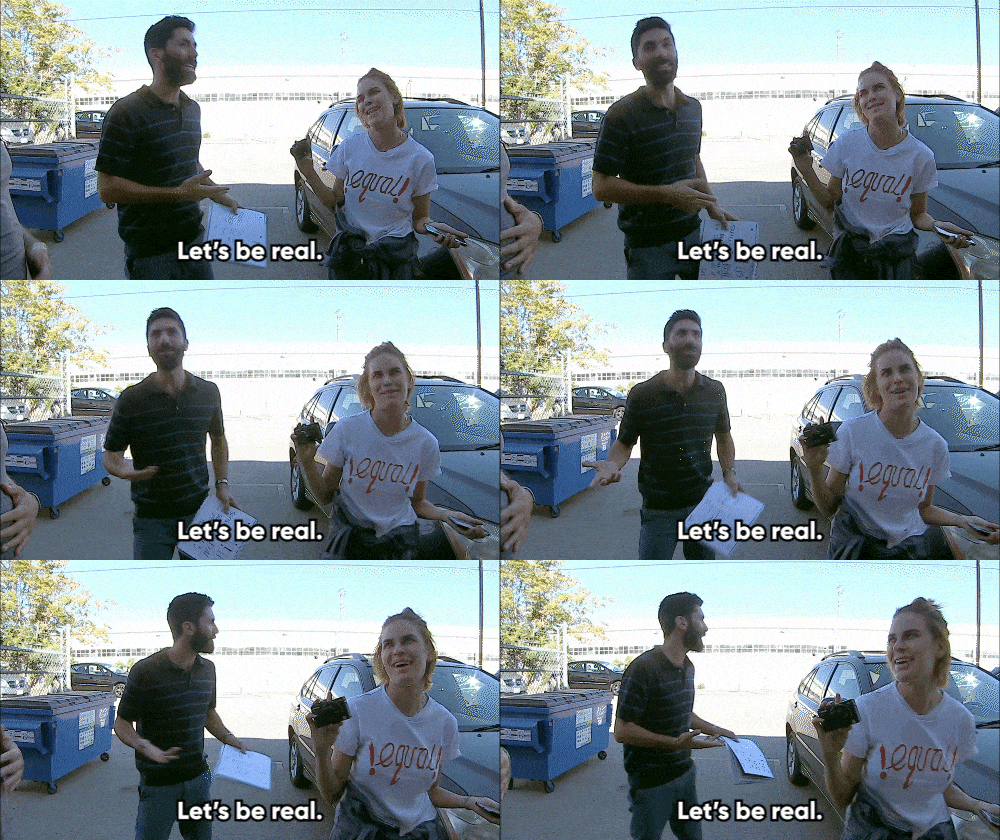
Authenticity as UX Design. Authenticity becomes a design challenge, not a value. The best brands will employ "authenticity architects" who craft experiences that feel discovered rather than designed.
The Authenticity Cycle Speeds Up. What begins as rebellion (BeReal) rapidly becomes performance. This cycle is accelerating, with genuine innovations commercialized within months.
Mutual Understanding Deepens. Like wrestling fans who know matches are choreographed yet still feel emotion, consumers recognize the construction while embracing the experience.
The next wave won't hide its engineering - it will showcase it.
𝑸𝒖𝒊𝒄𝒌 𝑻𝒊𝒑𝒔
🔍 Audit Your Authenticity Bias: What do you instinctively read as “authentic”- and where might that be misleading? Make a list of signals you personally trust (language quirks, visual cues, tone), then go one step further: ask whether each is truly spontaneous or just well-designed.
⚖️ Embrace Strategic Authenticity: For your next project, identify 3 elements that would signal "authenticity" to your audience. Rather than going completely unfiltered, incorporate these elements while maintaining quality and consistency.
🏗️ Scale Realness: Create structures that guide authentic-feeling moments rather than forcing them. Instead of asking for spontaneous testimonials, use specific prompts that generate natural-feeling responses within a framework you can control.
𝑵𝒆𝒙𝒕 𝑾𝒂𝒗𝒆
See you next week, same time, same place.
If this email was forwarded to you, sign up here.
Stay wavey,
Haley