- New Wave
- Posts
- Slow Media Economics
Slow Media Economics
Why Creating Less (But Better) Content Is The New Competitive Edge

Haley Shinn
April 09, 2025


𝑰𝒏 𝑻𝒐𝒅𝒂𝒚'𝒔 𝑾𝒂𝒗𝒆:
🔍 The shift from content volume to content value
💰 How brands are making more money by creating less stuff
🌱 Why the "always on" content model is becoming unsustainable
🔮 What this means for creators, brands, and audience relationships
𝑻𝒉𝒆 𝑺𝒉𝒊𝒇𝒕
We're drowning in content, but starving for meaning.

In a world where algorithms reward constant posting and our feeds never stop scrolling, a counterintuitive approach is gaining momentum: creating less, but creating better.
I'm calling this "Slow Media Economics" - when brands and creators deliberately reduce their output volume while increasing the quality, depth, and value of what they produce. The result? Deeper engagement, stronger loyalty, and surprisingly, more sustainable revenue.
This isn't just about burnout (though that's part of it). The most innovative companies aren't trying to feed the endless content machine - they're stepping off the treadmill entirely to create work that actually resonates.
What's fascinating is how this approach spans from traditional media companies pivoting their business models to fashion brands rethinking release cycles to creators building passionate, paying audiences through depth rather than reach.
𝑬𝒂𝒓𝒍𝒚 𝑺𝒊𝒈𝒏𝒂𝒍𝒔
Creator Economy: The Flow Trip, founded by Adam Neumann (founder of WeWork), has built a profitable media company with 13,000 paid subscribers by publishing a bimonthly magazine and free multiday newsletter. Rather than daily content drops, he created a sustainable business through selective, high-quality publishing.

Fashion: Jacquemus has reimagined fashion's relationship with content through their minimalist designs and strategic product releases. By focusing on curated collections and maintaining a strong brand narrative rather than following the traditional fashion calendar, they've cultivated an intensely loyal following willing to pay premium prices for fewer, better pieces.

Sports & Lifestyle: Red Bull Media House transformed from an energy drink company into a content powerhouse not by pumping out constant updates but by creating exceptional documentaries, live events, and series aligned with their brand. Their approach focuses on depth of storytelling rather than frequency, creating iconic content that resonates far beyond what traditional advertising could achieve.

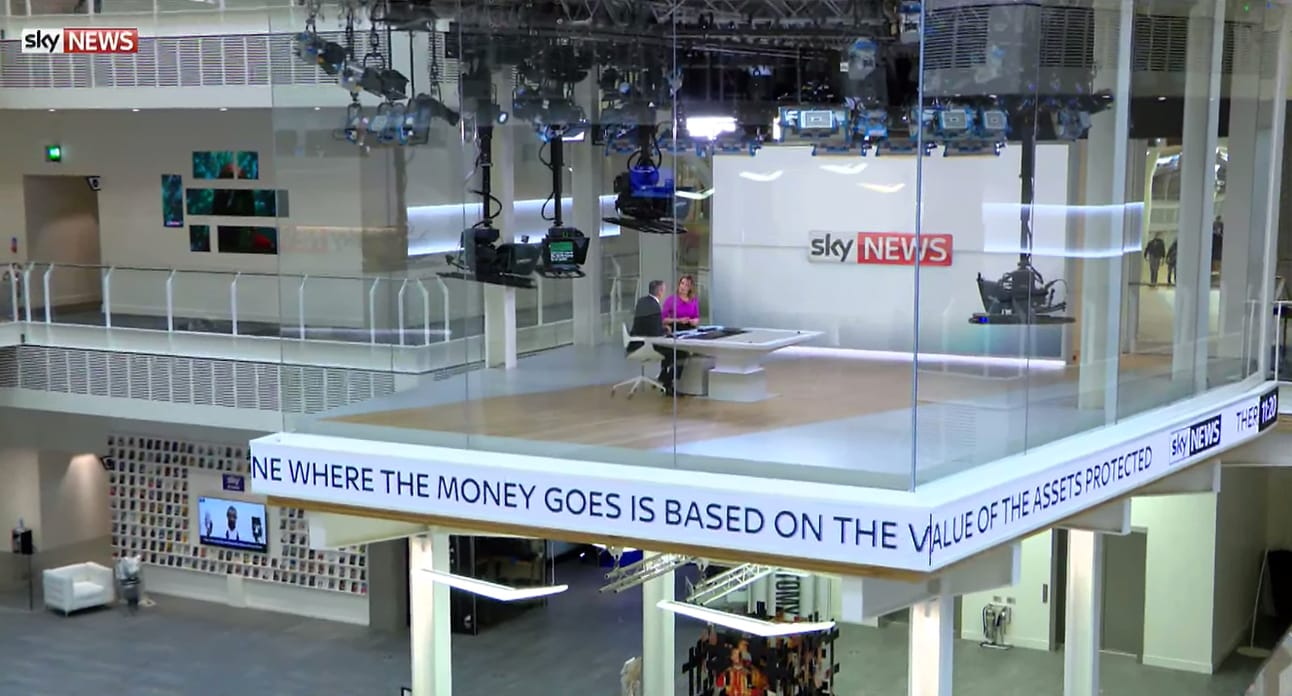
Media: Sky News, the British broadcasting giant, made headlines in January with their "Sky News 2030" strategy, deliberately shifting from high-volume broadcasting to premium paid content. They're building a new model around quality content for dedicated subscribers rather than chasing eyeballs.
𝑾𝒉𝒚 𝑵𝒐𝒘?
Three converging factors make this shift particularly significant:
Content saturation has reached critical mass. The average person now encounters between 6,000 to 10,000 ads daily, not counting organic content. This overwhelming volume creates a paradox: the more content that's produced, the less impact each piece has. Cutting through requires something more distinctive than just another post in the feed.
Technology has made basic content too easy to produce. When anyone can generate decent-looking posts, blogs, and videos with minimal effort, simply publishing frequently no longer stands out. The new scarcity isn't content itself - it's thoughtfully crafted, human-centered work that reflects actual expertise and genuine perspective.
Audience attention patterns are evolving. People are increasingly selective about where they invest their time and attention. The pendulum is swinging from passive consumption to active curation, with audiences willing to pay for quality experiences that respect their time and deliver genuine value.
𝑭𝒖𝒕𝒖𝒓𝒆 𝑰𝒎𝒑𝒍𝒊𝒄𝒂𝒕𝒊𝒐𝒏𝒔

The creator economy will split into two distinct tiers. We'll see a growing divide between mass-market creators fighting for attention with high-volume content and premium creators earning more while producing less. Those stuck in the middle without a clear strategy will struggle the most.
Subscription models will evolve beyond access to emphasize curation. The value proposition will shift from "unlimited content" to "only what matters," with the most successful platforms limiting rather than maximizing what they offer subscribers.
"Always on" will be replaced by "only when it matters" as the relationship standard. Consumer trust will flow to brands that respect attention rather than demanding it constantly.
𝑸𝒖𝒊𝒄𝒌 𝑻𝒊𝒑𝒔
🎯 Conduct a Content Audit: Review your last month of content and identify your top 20% performers. What if you only produced that type? Calculate how much time and resources you'd save by cutting the lower-performing 80%, then reinvest those savings into making your top content even better.
🧠 Focus on Compounding Assets: Instead of creating many disposable content pieces, build fewer pieces designed to deliver value for months or years. Ask: "Will this content still be relevant and valuable six months from now?" If not, consider whether it's worth creating at all.
🔄 Create a "Do Not Publish" List: Identify specific content types that no longer serve your audience or business goals but persist out of habit. Commit to eliminating these entirely rather than just reducing them. This creates space for more impactful work while building decision-making muscle.

𝑵𝒆𝒙𝒕 𝑾𝒂𝒗𝒆
See you next week, same time, same place.
Enjoyed this wave? Let me know by replying with 'wavey.’
If this email was forwarded to you, sign up here.
Stay wavey,
Haley