- New Wave
- Posts
- Slow Decisions
Slow Decisions
Limited choices is the new premium in an overwhelming world

Haley Shinn
May 13, 2025


𝑰𝒏 𝑻𝒐𝒅𝒂𝒚'𝒔 𝑾𝒂𝒗𝒆:
🧠 Why fewer options command premium prices
🛒 The power of curation over endless variety
👔 When removing choices becomes a competitive advantage
🌊 What this means for brands and mental bandwidth
𝑻𝒉𝒆 𝑺𝒉𝒊𝒇𝒕
Picture this: you've had a long day making countless decisions at work. You turn on Netflix, face a wall of 100 different movie options, and decision paralysis hits. So you rewatch The Office for the fifth time or give up and scroll through TikTok instead.
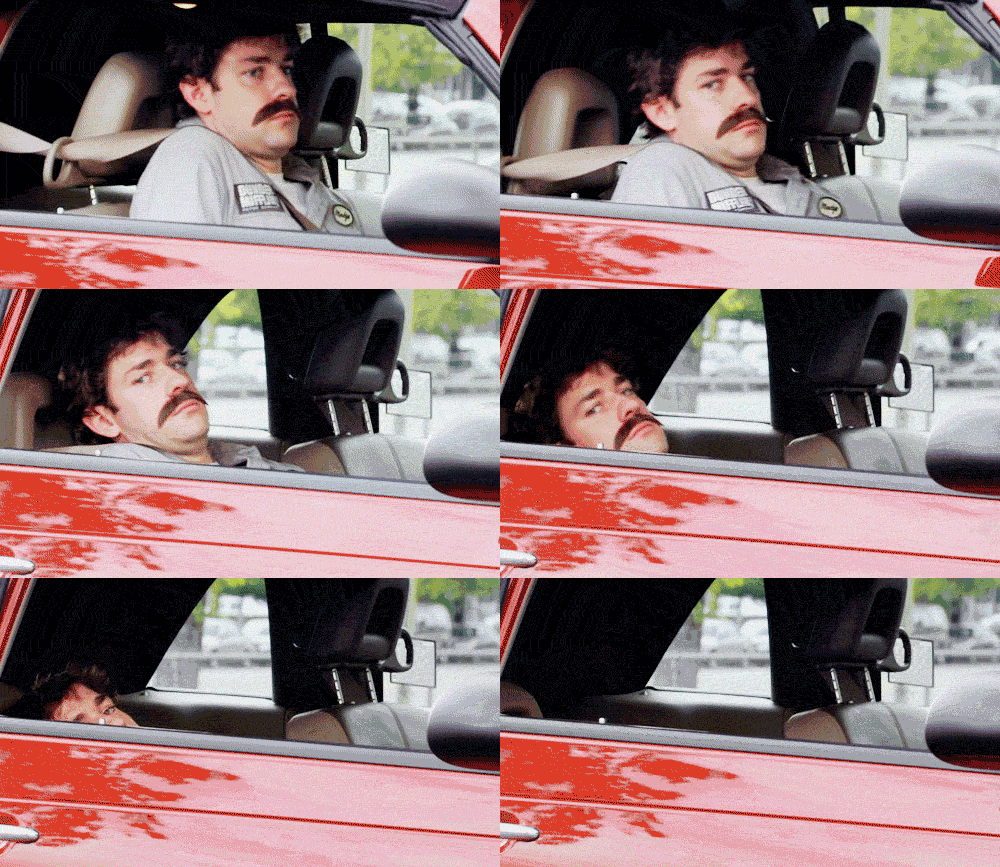
While most brands rush to add more to their product line or interface, the innovators are cutting back – ruthlessly eliminating options, removing decision points, and charging a premium for the mental clarity they provide.
I call this "Slow Decisions" – when brands strategically reduce choice, they create mental space for overwhelmed consumers who paradoxically pay more for the privilege of deciding less.
𝑬𝒂𝒓𝒍𝒚 𝑺𝒊𝒈𝒏𝒂𝒍𝒔
Slate Truck: Stripped-Down Electric Luxury
Jeff Bezos' new Slate Auto delivers a $25,000 pickup with just the essentials – manual windows, no touchscreen infotainment, and a modular design that converts between pickup and SUV as needed. By stripping away clutter, Slate positions minimalism as a premium feature rather than a budget compromise.

click image to meet Slate
Trade Coffee: Taste as a Service
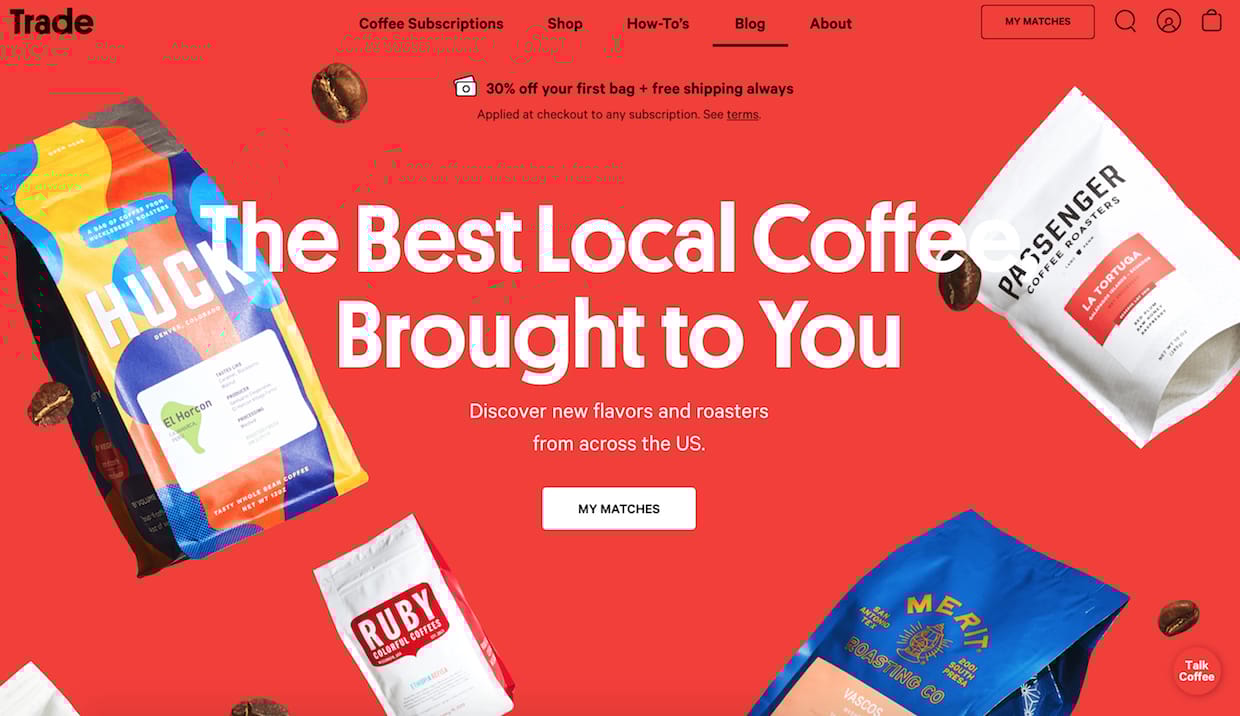
Instead of choosing from dozens of coffee options, customers take a short quiz - and let Trade’s coffee experts decide for them. By eliminating the need to choose, they've turned curation into a premium feature. Coffee lovers gladly pay extra to be surprised by beans they didn’t know they’d love from around the world.
Trader Joe's: Decision Relief as a Business Model
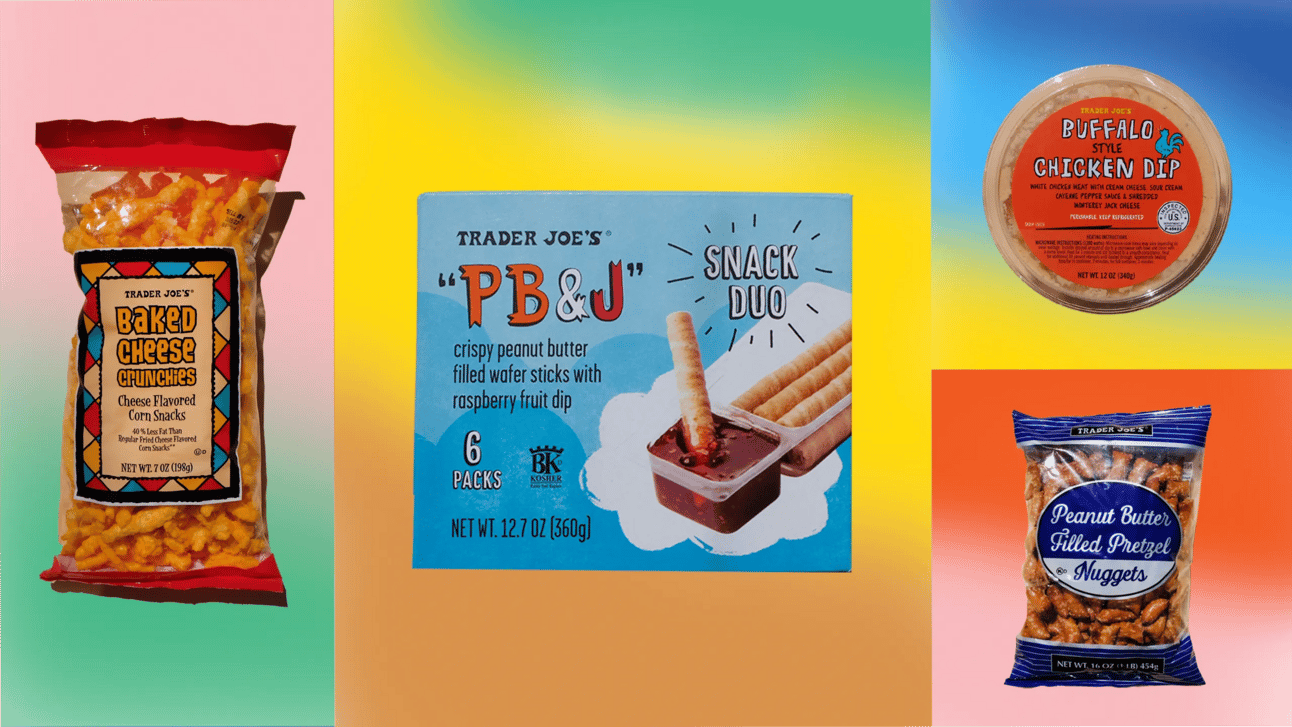
While typical supermarkets overwhelm with 50,000 products, Trader Joe's offers just 4,000 carefully selected items. By eliminating redundant options (one pasta sauce, not twenty), they've turned simplicity into a competitive advantage. Their focused approach drives double the sales per square foot of Whole Foods, proving less really can be more.
In-N-Out Burger: Menu Minimalism as Marketing Genius
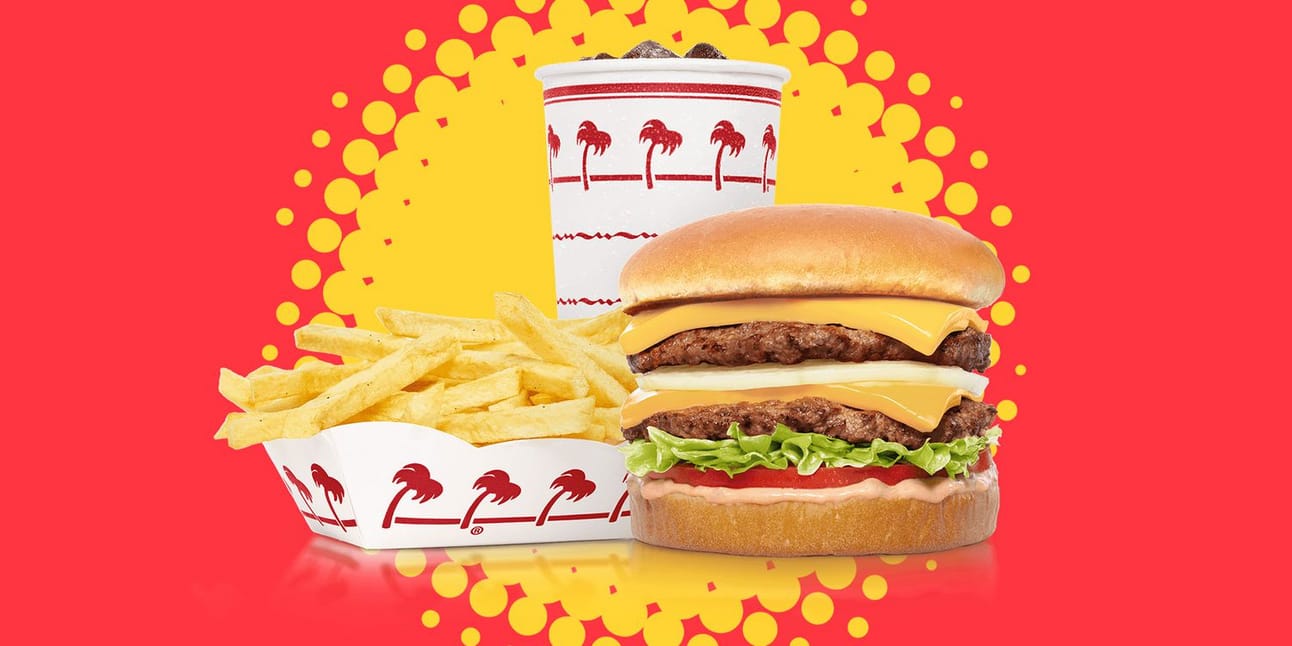
While competitors add endless menu items, In-N-Out has maintained essentially the same limited menu since 1948 – just burgers, fries, and shakes. This radical simplicity creates faster ordering and has generated a cult following that outperforms competitors with much larger menus.
𝑾𝒉𝒚 𝑵𝒐𝒘?
Three converging factors make this shift particularly significant:
Option overload has reached a breaking point: we face thousands of decisions daily. Studies show fewer options actually generate more sales – such as the Jam experiment, which proved that a display with fewer jam options sold ten times better than one with many choices.
Decision fatigue is a real cognitive drain: each choice we make depletes mental energy, like a muscle that tires with use. Brands that reduce required decisions aren't just selling products – they're offering mental bandwidth back to their customers.
Curation has become more valuable than creation: as information and options multiply, the ability to effectively filter and select has become more valuable than creating more stuff. The most successful brands are becoming trusted editors of an overwhelming world.
𝑭𝒖𝒕𝒖𝒓𝒆 𝑰𝒎𝒑𝒍𝒊𝒄𝒂𝒕𝒊𝒐𝒏𝒔

Less becomes more valuable. Product development will focus increasingly on what to remove rather than what to add.
Curation becomes a premium service. Just as we hire financial advisors to manage money, we'll increasingly pay experts to curate our life, saving our mental energy for what matters most.
Decision-free zones will emerge. Physical spaces that minimize required choices will become mental wellness destinations – think restaurants with chef's-choice menus, hotels with pre-selected room setups, and stores with just one perfect option per category.
Limited options will increasingly signal confidence and expertise, while excessive choice will start to feel budget-oriented and unfocused.
𝑸𝒖𝒊𝒄𝒌 𝑻𝒊𝒑𝒔
🔍 Do a Choice Audit: Look at one area of your work or life with too many options (meeting formats, product offerings, etc.). List every choice required, then eliminate 20% of the least necessary decisions. Start small – even simplifying how you order coffee can free up mental space.
🗣️ Reframe Limitations as Benefits: When presenting options to clients, teammates or even yourself, try describing fewer choices as a feature: "We've narrowed these down to the three options that best meet your needs" rather than apologizing for limited selection.
✂️ Create a Default Mode: For recurring decisions, establish a high-quality default option. Whether it's lunch spots, meeting formats, or project workflows, having a pre-selected "standard approach" reduces friction while still allowing exceptions when needed.

𝑵𝒆𝒙𝒕 𝑾𝒂𝒗𝒆
See you next week, same time, same place.
If this email was forwarded to you, sign up here.
Stay wavey,
Haley