- New Wave
- Posts
- Productive Boredom
Productive Boredom
Deliberate understimulation is the new wellness luxury

Haley Shinn
June 06, 2025

𝑰𝒏 𝑻𝒐𝒅𝒂𝒚'𝒔 𝑾𝒂𝒗𝒆:
📱 Why people are paying premium to be less entertained
⏰ From infinite choice to intentional friction
🧘♀️ How boredom became the new wellness luxury
🛠️ Brands designing slowness back into experiences
𝑻𝒉𝒆 𝑺𝒉𝒊𝒇𝒕
Picture this: You're at the gym, staring at the treadmill's entertainment screen offering Netflix, Spotify, news feeds, and social media. Instead, you close it all and run in complete silence for 45 minutes, watching your own reflection and counting steps.
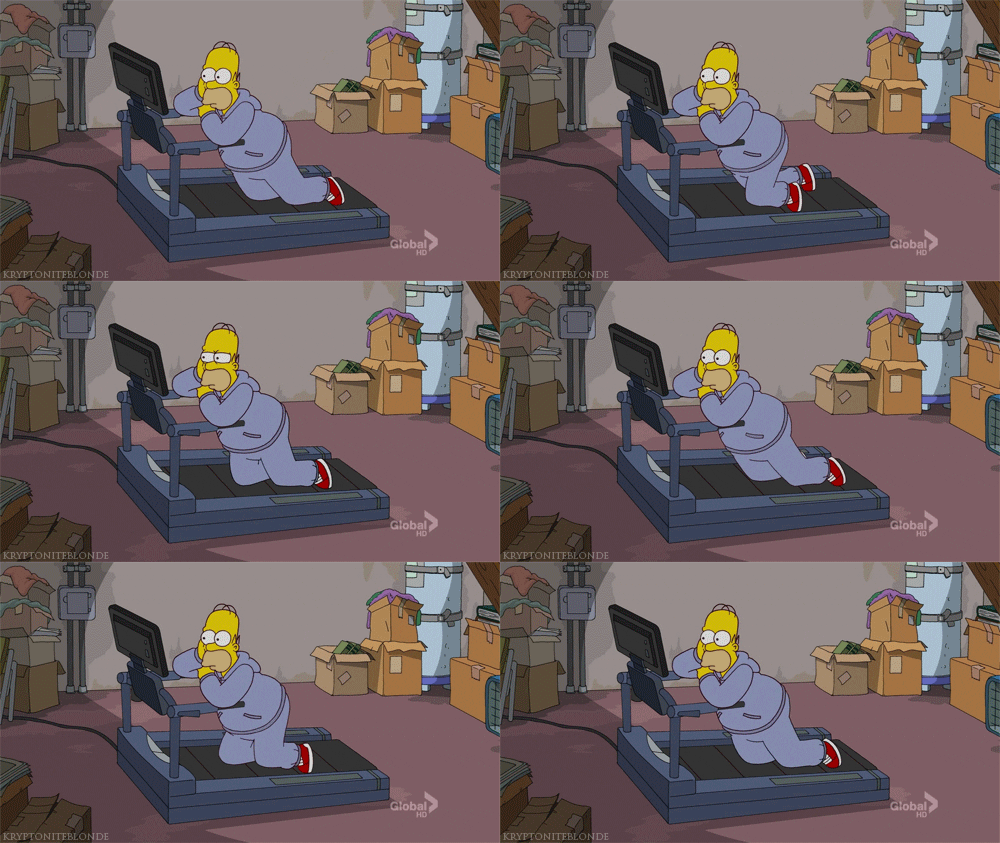
That choice - to reject stimulation even when it’s everywhere - is happening across culture. We're witnessing something counterintuitive: in an economy built on capturing attention, the most valuable experience is learning to be bored.
I'm calling this shift "Productive Boredom" - when doing less becomes more expensive than doing more, and mental emptiness gets repositioned as premium wellness.
The smartest brands aren't competing for your attention anymore. They're selling you permission to ignore them.
𝑬𝒂𝒓𝒍𝒚 𝑺𝒊𝒈𝒏𝒂𝒍𝒔
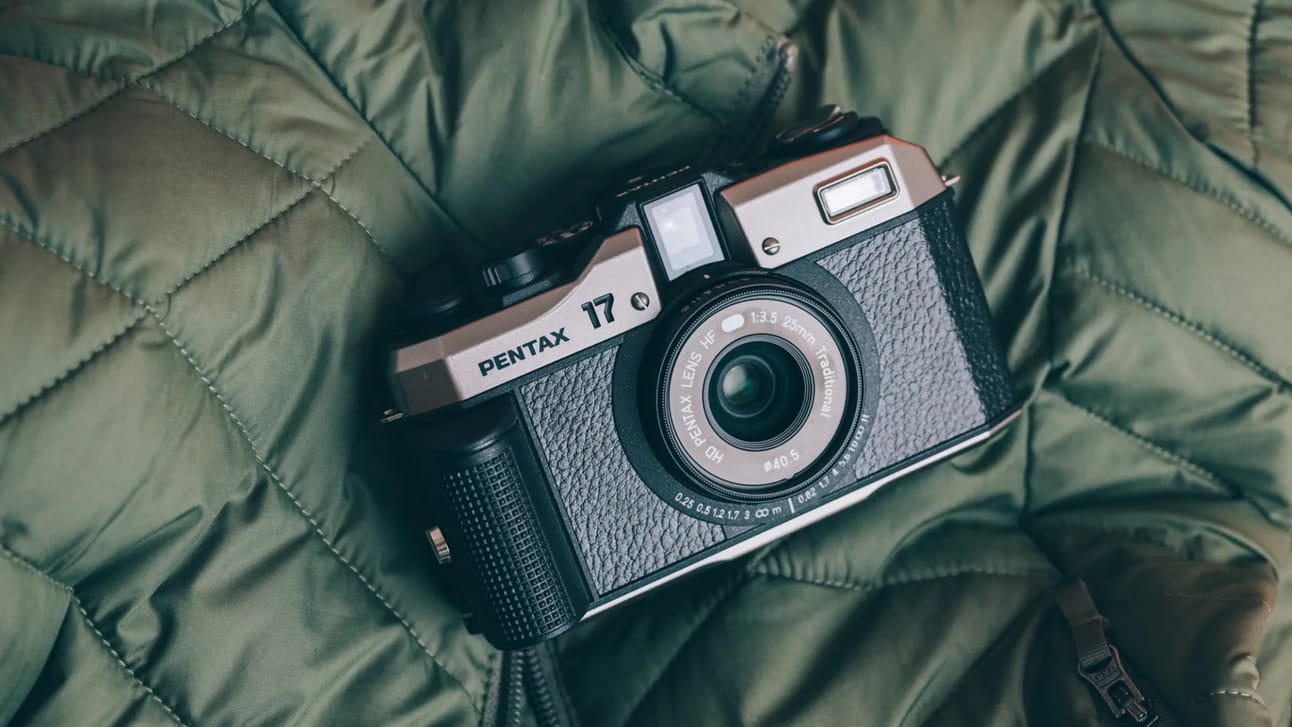
Pentax 17: The $500 Slowdown
In 2024, Pentax launched the first new 35mm film camera from a major brand in decades. While everyone else races toward computational photography, Pentax forces users to load film, advance frames manually, and wait days for development. Each shot requires intention because film costs money and mistakes can't be deleted. The deliberate friction creates mental space between moments - exactly what overwhelmed digital natives crave.
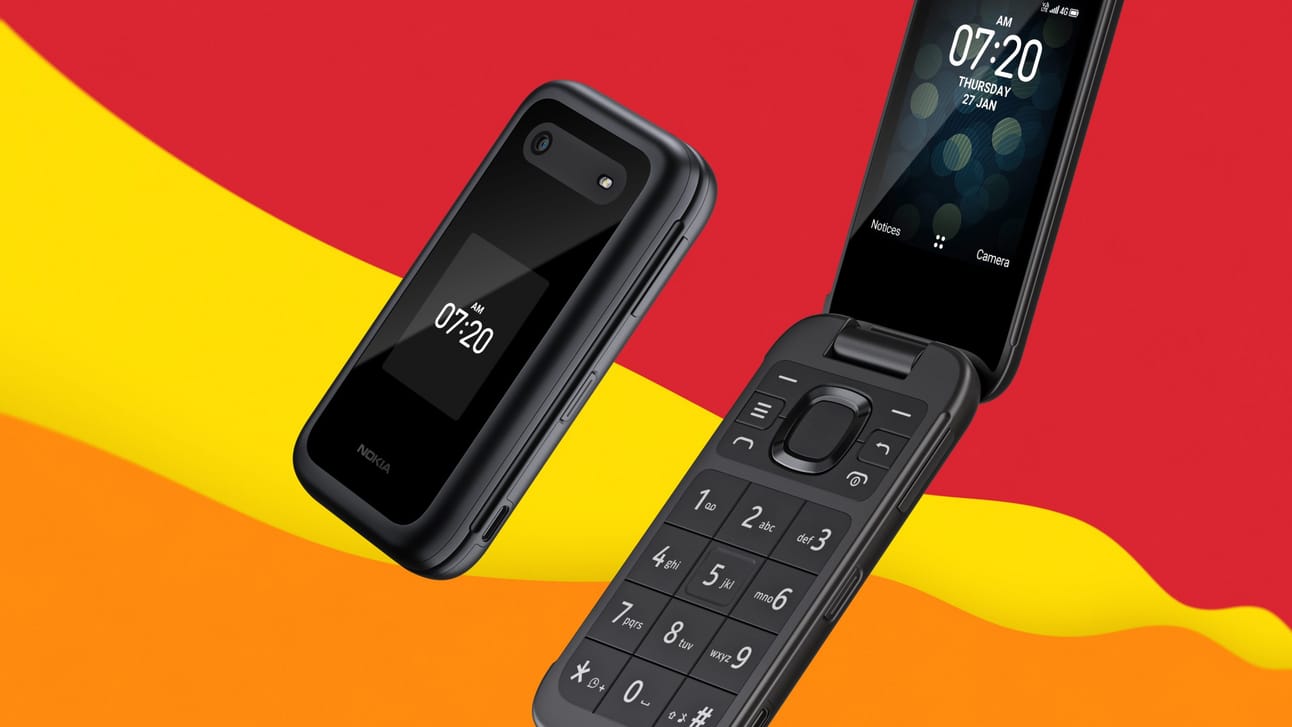
Nokia's $89 Digital Detox Device
Flip phone sales more than doubled in 2023, with Nokia leading the charge. Gen Z is buying phones that text slower and can't run apps - not because they're cheap, but because the friction forces them to be present. Brands like "Boring Phone" explicitly market zero-internet devices as wellness tools. The limitation becomes the luxury.
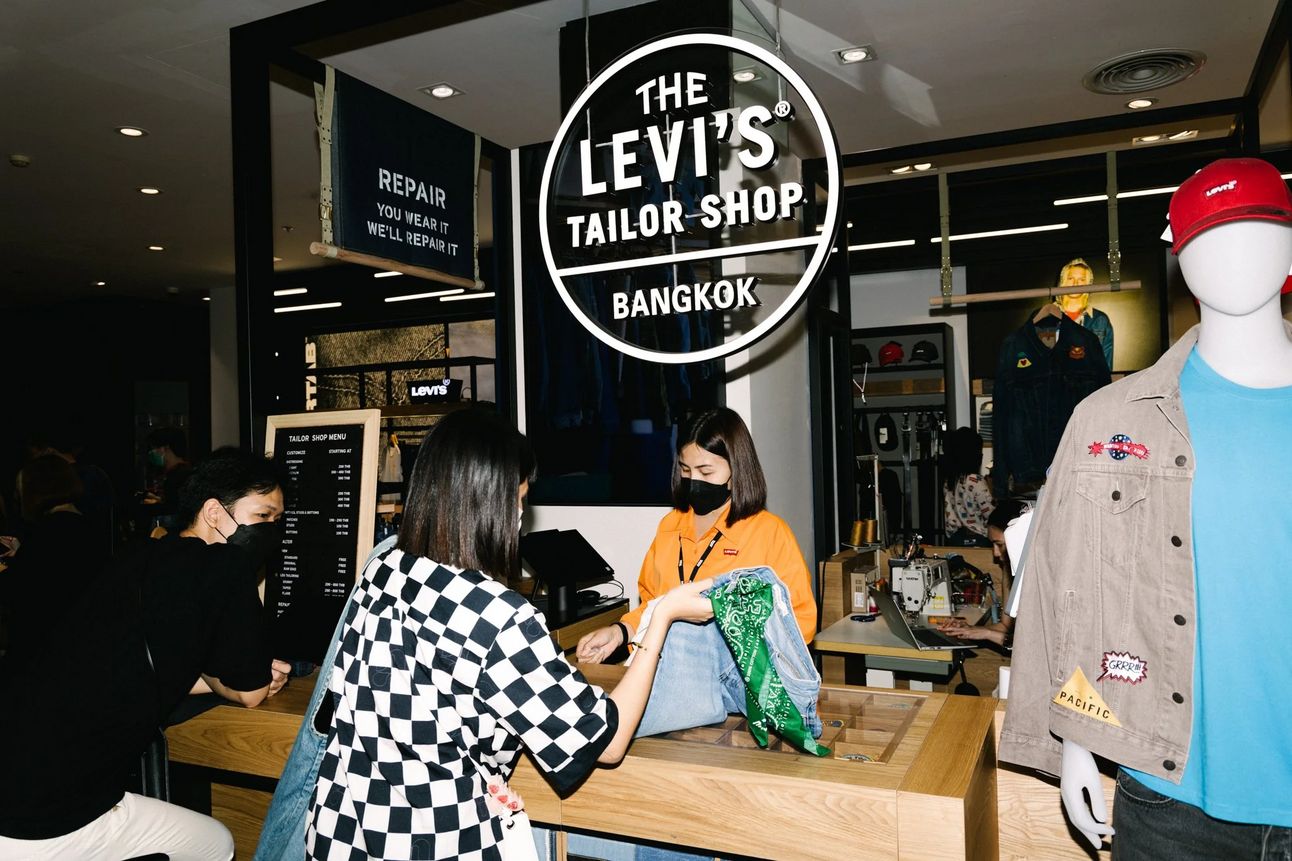
Levi's Tailor Shop: Wait for Your Jeans
Levi's pop-up "Tailor Shops" flip fast fashion on its head. Customers spend hours hand-embroidering and indigo-dyeing their denim with local artisans. Instead of instant gratification, shoppers embrace the meditative rhythm of stitching. The wait becomes part of the value - each pair carries the story of time invested, not just money spent.
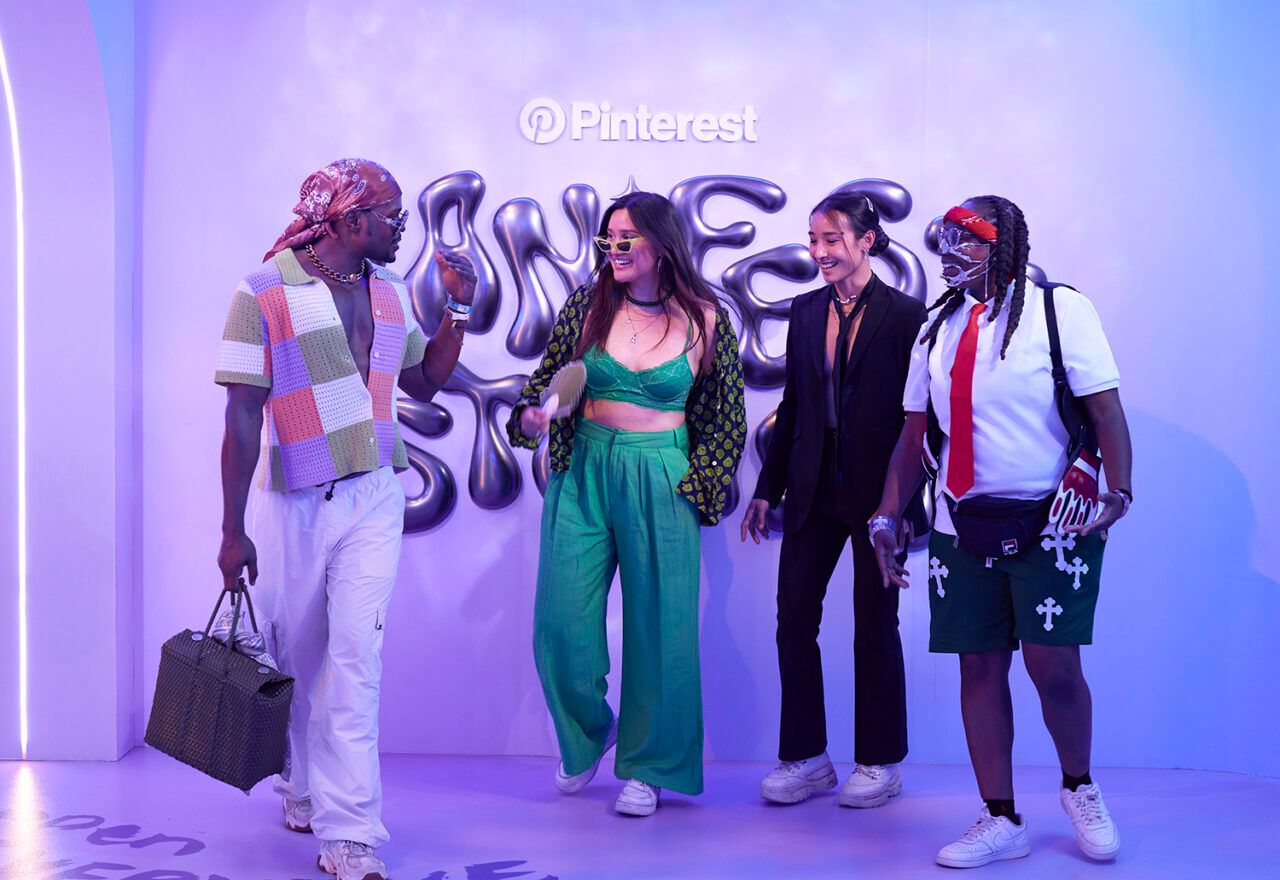
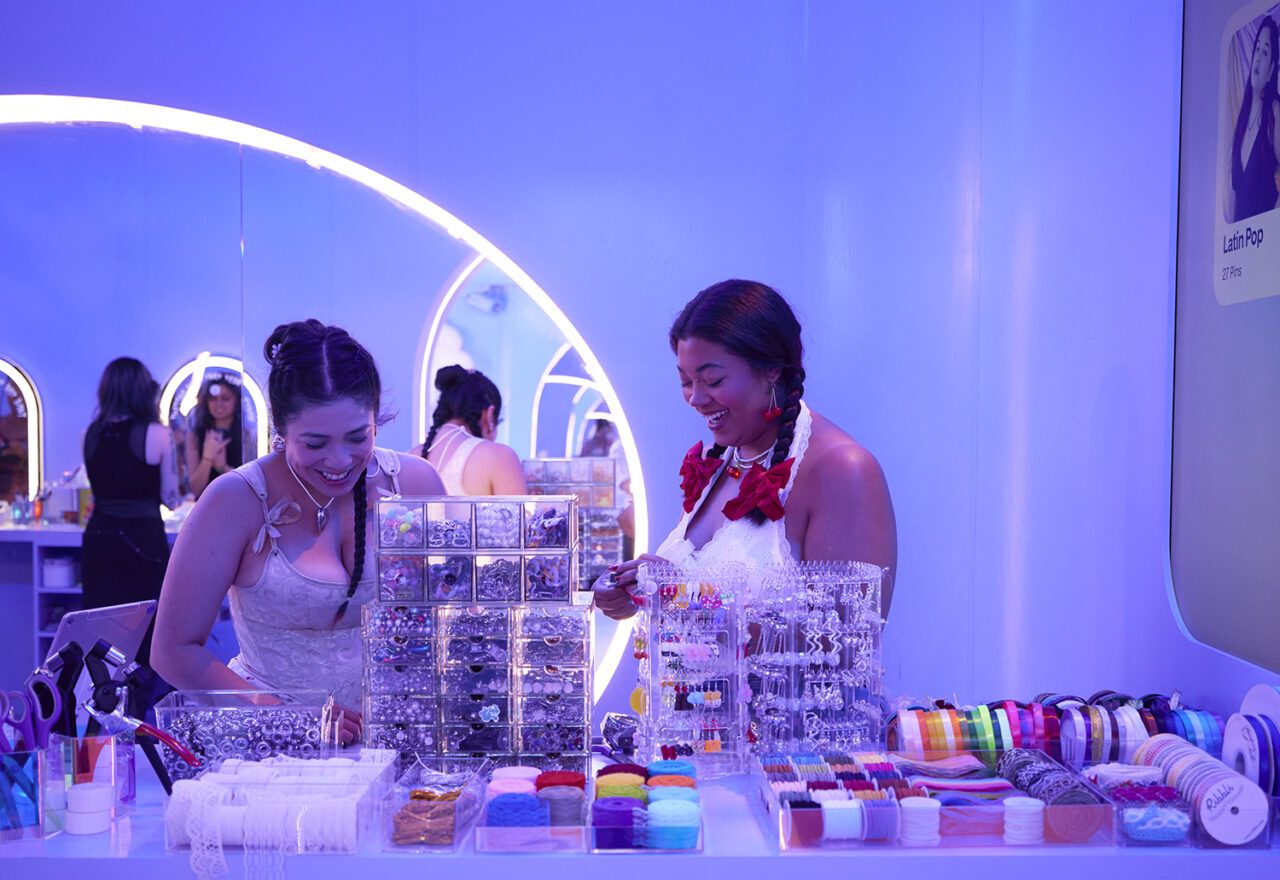
Pinterest Goes Analog at Coachella
A digital discovery platform created physical crafting experiences at their "Manifest Station." Festival-goers traded endless scrolling for hands-on creating - embellishing clothes, building accessories, getting makeovers from celebrity makeup artists. Pinterest deliberately slowed their digital-native users down, making the analog friction the main attraction.
𝑾𝒉𝒚 𝑵𝒐𝒘?
Three forces are converging to make boredom valuable:
Attention Overload. Constant task-switching has created a generation suffering from mental exhaustion. The always-on economy makes doing nothing feel transgressive and luxurious. Boredom isn't emptiness anymore - it's restoration.
The Paradox of Choice Fatigue. When everything is available instantly, choosing becomes work. Brands that remove options instead of adding them feel like relief. Limitations create freedom from decision fatigue.
Wellness Goes Mental. Physical health trends are maturing into mental health priorities. Meditation apps charge premium for "boring" content. Understimulation is being repositioned from deprivation to self-care.
𝑭𝒖𝒕𝒖𝒓𝒆 𝑰𝒎𝒑𝒍𝒊𝒄𝒂𝒕𝒊𝒐𝒏𝒔
Friction as Feature. Brands will engineer wait times, manual processes, and intentional limitations into experiences. The premium position won't be "we entertain you constantly" but "we give you permission to slow down."
Boredom as a Service. Companies will start charging for understimulation. Expect subscription models for digital minimalism, apps that limit other apps, and "boring" content that helps people decompress from overstimulation.
Community Around Constraints. Shared limitations will become social bonding experiences. Book clubs, repair cafes, and analog hobby groups will grow as people seek connection through productive boredom rather than entertainment consumption.
Physical, tactile experiences will command higher prices precisely because they're slower and less efficient. Handwriting will outprice typing. Film will outprice digital. Manual will outprice automatic.
𝑸𝒖𝒊𝒄𝒌 𝑻𝒊𝒑𝒔
🎯 Audit Your Stimulation Diet: Track when you automatically reach for entertainment - phone while waiting, podcasts while walking, music while working. Pick one moment daily where you choose silence instead and notice what thoughts surface in that mental space.
⏳ Design Deliberate Delays: Whether it's your morning routine or customer checkout flow, identify where strategic waiting could add value. Could you build anticipation before launching something? Could your service include intentional pause that builds appreciation?
🔄 Create Analog Anchors: Replace one digital touchpoint with a physical alternative this week. Your daily notes app becomes a paper journal. Your business newsletter becomes a print version. Your Spotify playlist becomes a carefully curated vinyl collection.
𝑵𝒆𝒙𝒕 𝑾𝒂𝒗𝒆
See you next week, same time, same place.
If this email was forwarded to you, sign up here.
Stay wavey,
Haley