- New Wave
- Posts
- Manufactured Nostalgia
Manufactured Nostalgia
Why brands are selling "remember when" moments that just happened

Haley Shinn
June 11, 2025


𝑰𝒏 𝑻𝒐𝒅𝒂𝒚'𝒔 𝑾𝒂𝒗𝒆:
📸 When instant memories become premium products
⏰ From longing for the past to missing the present
🎭 How brands create heritage that never existed
💭 Why Gen Z feels nostalgic for decades they never lived
𝑻𝒉𝒆 𝑺𝒉𝒊𝒇𝒕
You're thrifting vintage band tees for groups that broke up before you were born - paying $40 for an 'authentic' shirt that's newer than your phone
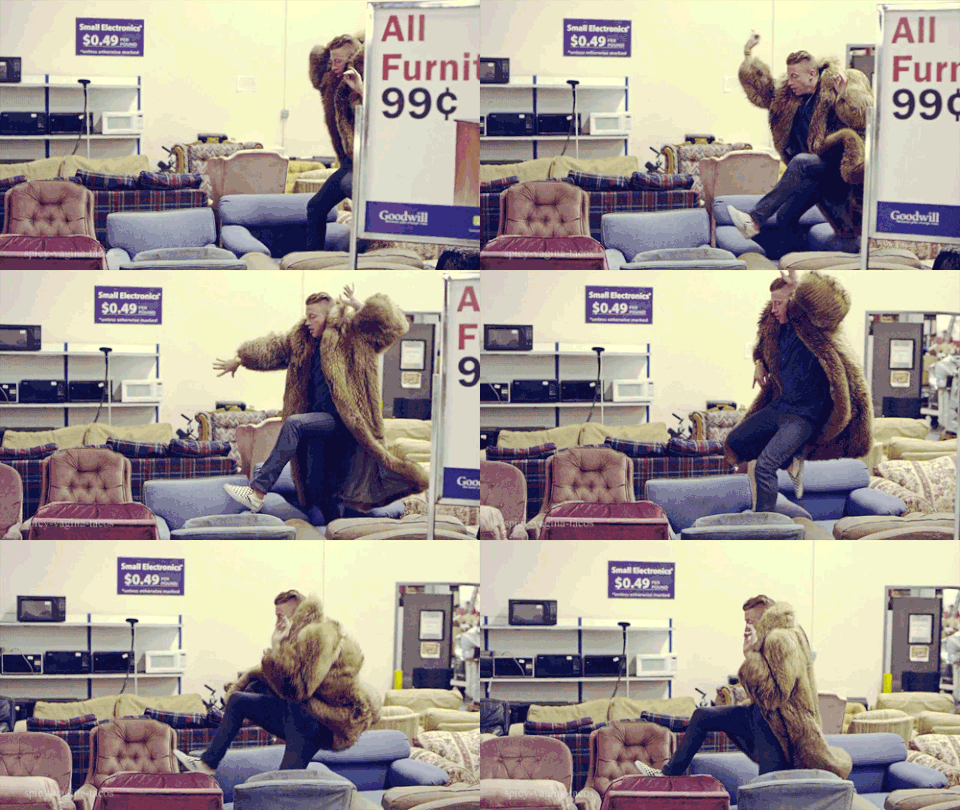
We're living in an era of instant nostalgia - craving "remember when" moments for experiences that never actually happened.
I'm calling this shift "Manufactured Nostalgia" - when brands create instant heritage and immediate sentimentality for products, experiences, and moments that have no actual history, tapping into our hunger for meaningful memories in an increasingly forgettable world.
The smartest companies aren't just making products. They're manufacturing the feeling that you'll miss this moment someday.
𝑬𝒂𝒓𝒍𝒚 𝑺𝒊𝒈𝒏𝒂𝒍𝒔
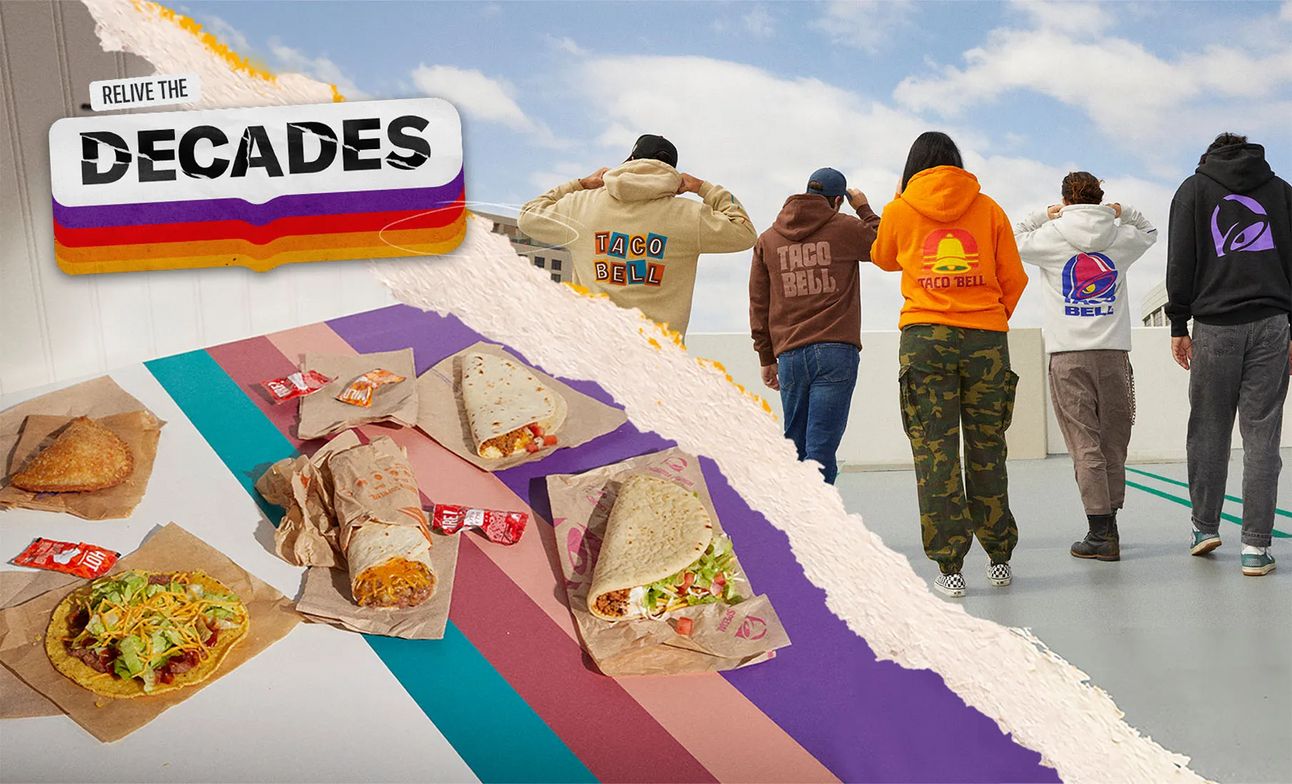
Taco Bell's "Decades Menu"
Taco Bell brought back "beloved" menu items from the 1960s through 2000s, complete with retro-themed cups and hoodies. The genius? Most customers ordering "nostalgic" 90s items were toddlers in the 90s. They're selling nostalgia for an era people never actually experienced as consumers, creating false memories of "the good old days" of fast food.
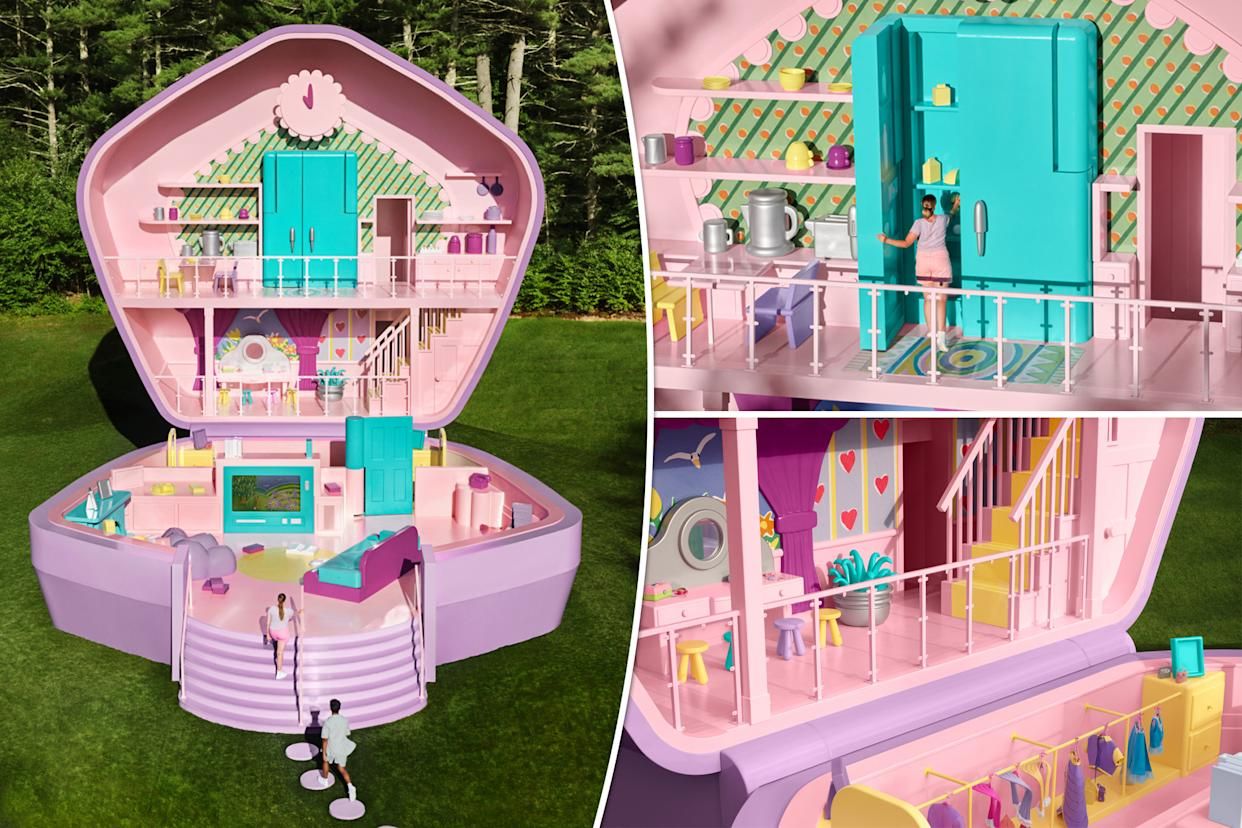
Airbnb's Polly Pocket House
For the toy's 35th anniversary, Airbnb built a life-size Polly Pocket house where adults could sleep in tiny bunk beds and eat cereal from miniature tables. Guests paid to 'relive' a childhood experience they never actually had - being small enough to live inside a toy. The activation let adults feel nostalgic for an impossible past.
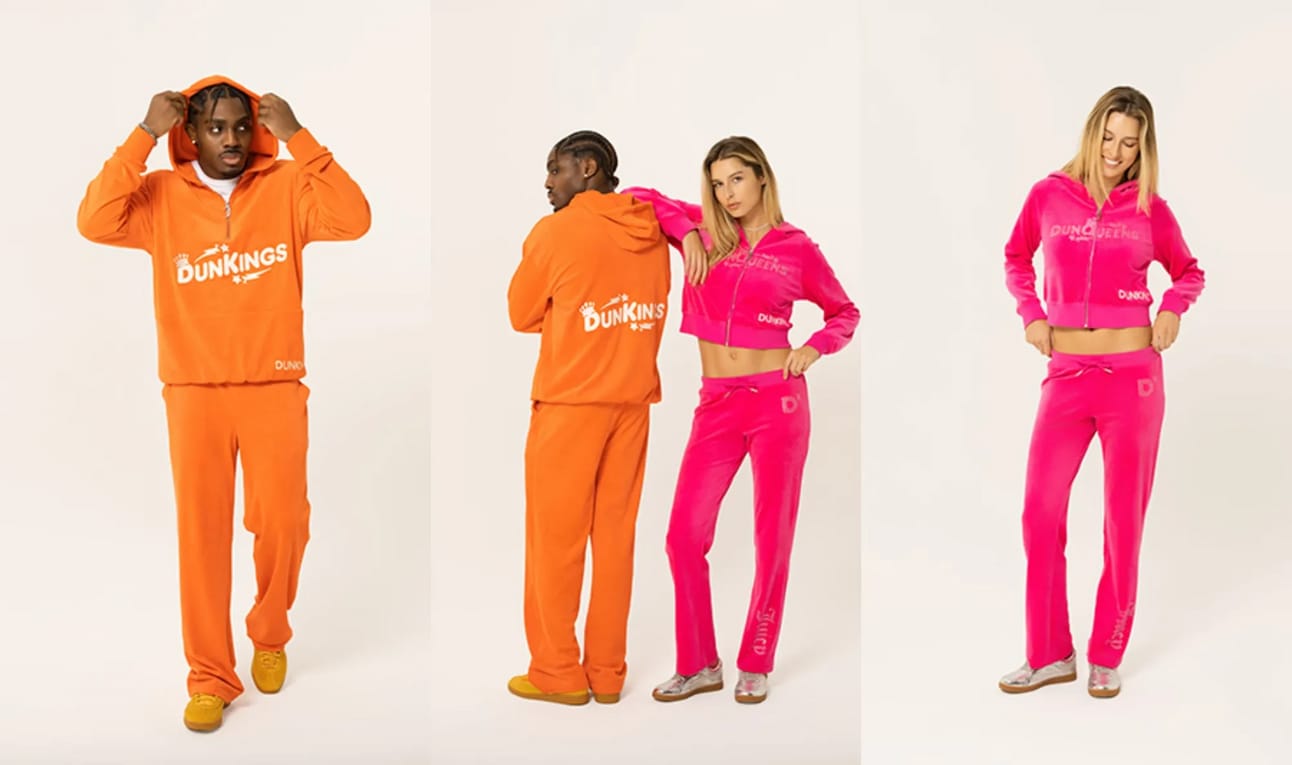
Y2K Fashion Revival
Dunkin' just dropped a $237 tracksuit collaboration with Juicy Couture, banking on Y2K nostalgia to sell velour hoodies to people who were in elementary school when Paris Hilton made tracksuits cool. Juicy Couture 'bottomed out' in the 2010s, but now sells early-2000s glamour at premium prices to a generation that lived it through Disney Channel, not nightclubs.
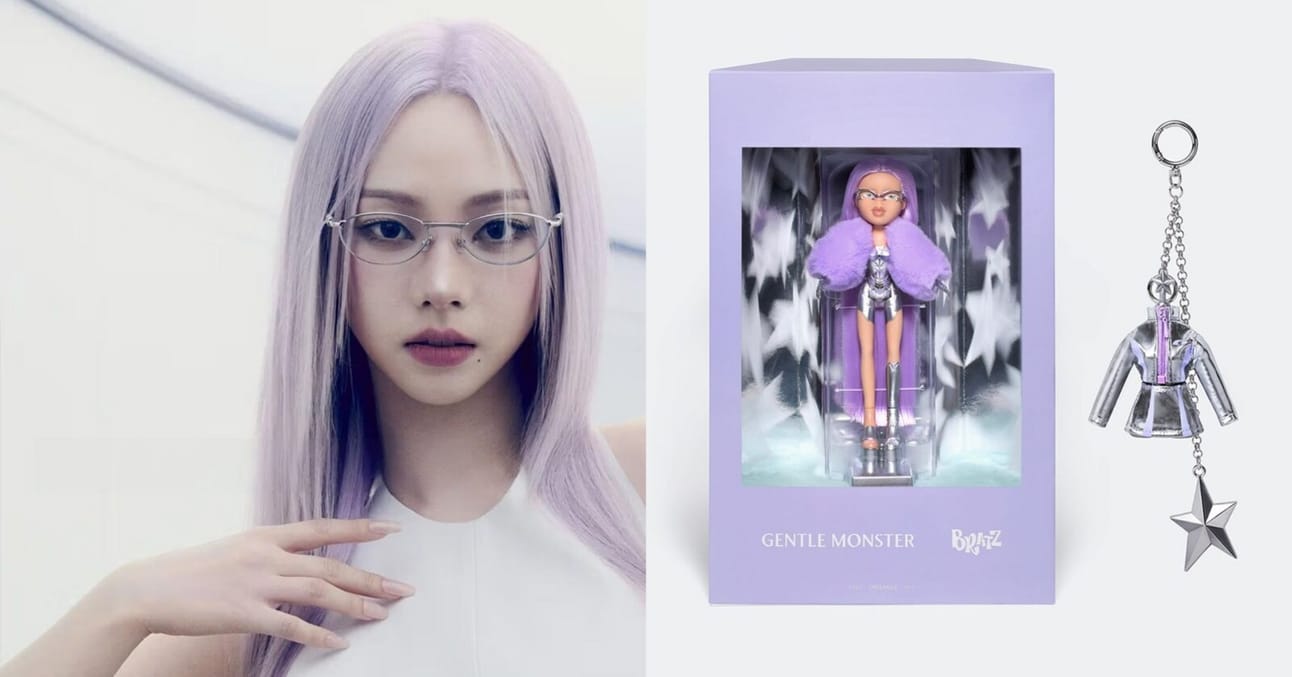
Bratz x Gentle Monster
Luxury eyewear brand Gentle Monster just launched a 21-piece collaboration with Bratz dolls, complete with pop-ups in four cities and exclusive commemorative dolls. They're selling $300+ sunglasses that make adults feel nostalgic for a toy line from their childhood, transforming plastic doll aesthetics into premium fashion statements.
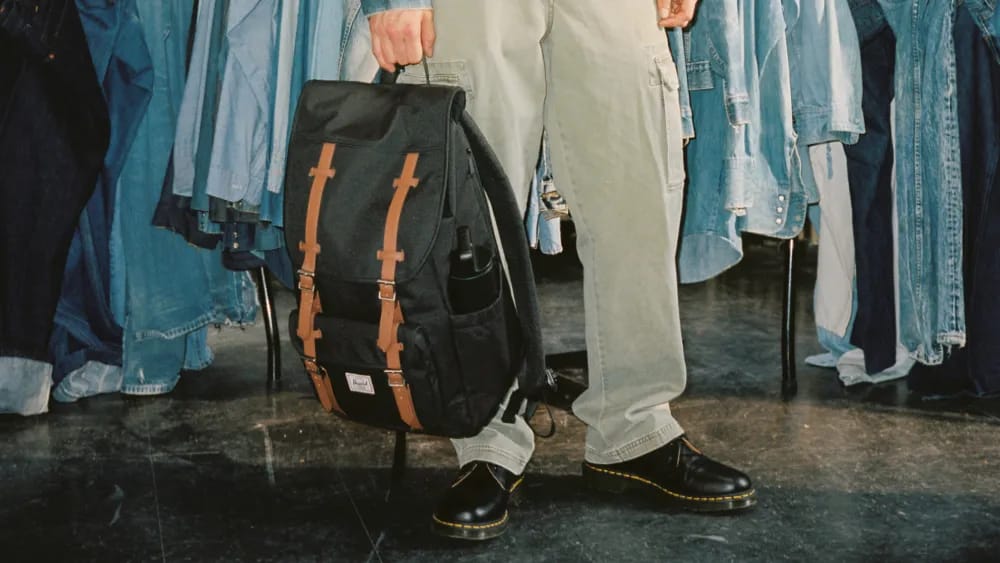
Herschel Supply Co.: Fake Heritage, Real Feelings
Founded in 2009, Herschel deliberately designs backpacks with 19th-century styling - classic buckles, vintage straps, heritage colors. The brand makes products feel "like the one you remember carrying in fifth grade" even when they're completely new. They're not selling bags; they're selling the feeling of rediscovering something you lost.
𝑾𝒉𝒚 𝑵𝒐𝒘?
Three forces are converging to make boredom valuable:
Digital Life Feels Forgettable. In a world where every moment gets documented but nothing feels memorable, people crave experiences that feel worth remembering. Manufactured nostalgia fills this gap by making ordinary moments feel historically significant.
Uncertain Times Drive Comfort-Seeking. When the present feels chaotic, people mine the past for stability. But when the actual past feels equally messy, brands can manufacture idealized versions that provide emotional comfort without real history's complexity.
Missing the Present Enhances It. Research shows that people who feel "nostalgia for the present" - missing something that isn't lost yet - actually experience more gratitude and engagement with current moments. Brands tap into this by helping people appreciate today through tomorrow's lens.
𝑭𝒖𝒕𝒖𝒓𝒆 𝑰𝒎𝒑𝒍𝒊𝒄𝒂𝒕𝒊𝒐𝒏𝒔

Heritage Becomes a Product. Companies will offer "instant heritage" packages - creating backstories, vintage aesthetics, and invented traditions for new products. The newest brands will feel like the oldest traditions.
Memory Design Becomes Standard. More experiences will be designed for their nostalgic potential rather than present enjoyment. Expect AI that creates "memory montages" from daily activities and apps that help you curate today with tomorrow's sentimentality in mind.
Nostalgia Cycles Accelerate. As manufactured nostalgia becomes ubiquitous, the timeline speeds up. We'll see nostalgia for last year's trends and sentimentality for moments that just happened.
The most "authentic" experiences will be the ones that feel most nostalgic, regardless of history. Emotional truth will matter more than factual accuracy.
𝑸𝒖𝒊𝒄𝒌 𝑻𝒊𝒑𝒔
🎯 Design with Future Memory in Mind: Before launching experiences, ask "will people want to remember this?" Build in elements that feel worth documenting and sharing. Make moments that photograph well, include shareable moments, and create natural conversation starters about "when we did that thing."
📱 Document Today Like It's Already Yesterday: Start taking photos and notes about your current experiences as if you're already nostalgic for them. Write about today in past tense occasionally ("Remember when we used to worry about..."). Notice how this shifts your appreciation for ordinary moments.
⏰ Package the Present as the Past: Help customers feel nostalgic for experiences they're currently having. Create recap features, anniversary celebrations for recent milestones, or "memory" versions of current products that make today feel like yesterday.

𝑵𝒆𝒙𝒕 𝑾𝒂𝒗𝒆
See you next week, same time, same place.
If this email was forwarded to you, sign up here.
Stay wavey,
Haley