- New Wave
- Posts
- Inherited Anxiety
Inherited Anxiety
When fixing problems you didn't create becomes a business

Haley Shinn
July 16, 2025

𝑰𝒏 𝑻𝒐𝒅𝒂𝒚'𝒔 𝑾𝒂𝒗𝒆:
🔗 How generational worry became a market category
💰 Why solutions to inherited problems cost more
🎯 Five industries monetizing damage you didn't cause
🔮 What this means for responsibility and wellness culture
𝑻𝒉𝒆 𝑺𝒉𝒊𝒇𝒕
Most wellness services focus on personal change — better habits, mindset shifts, individual solutions. The assumption? You're in control of the stress you're feeling.

But a new category of services is emerging — built around problems you didn't create.
Welcome to inherited anxiety: where brands monetize circumstances outside your control. Environmental decline decades in the making. Economic systems designed for a different era. Technology engineered to be addictive before we understood the cost.
This is the shift where "it's not your fault" becomes a business model — and those services often cost more than self-help ever did.
Companies are discovering: people spend differently when they're paying for help with inherited problems versus self-made ones..
𝑾𝒉𝒚 𝑵𝒐𝒘?
Three things are making inherited anxiety profitable:
Blame fatigue is real: People are done being told everything is their fault when housing costs 5x what their parents paid, as an example. "Fix yourself" feels disingenuous while "it's not your fault" feels honest — even comforting.
Systemic problems need different solutions: Traditional wellness tells you to adjust your mindset, but inherited anxiety services admit sometimes the system is broken. You don't need better coping mechanisms — you need a new context, and people are willing to pay for it.
Generational trauma is now mainstream: Therapy-speak has gone cultural, and people understand that financial stress, climate dread, and digital addiction are hand-me-downs. Services that say "We get that" feel more real than ones that ignore it.
Quiz: Which wellness term saw a 300% spike in Google searches between 2023 and 2024?
A) Burnout coach
B) Intermittent fasting
C) Digital detox
D) Cold plunge
Answer at the bottom.
𝑬𝒂𝒓𝒍𝒚 𝑺𝒊𝒈𝒏𝒂𝒍𝒔
Frich's (F*ckin Rich) Social Finance for Financial Trauma
This social finance app helps users cope with inherited financial stress. Users anonymously share spending and saving habits for peer support, moving away from traditional financial advice that assumes stable income and family wealth. The app monetizes through B2B partnerships while acknowledging that young people are navigating student debt, gig work, and housing costs their parents never faced.
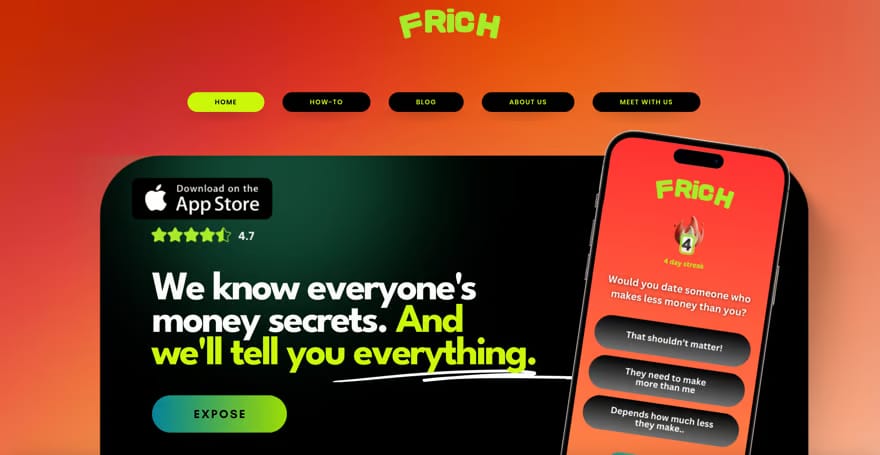
Raised 2.8M seed round early 2024
Earkick's AI Therapy for Tech Stress
A free AI-powered mental health app offering anonymous support specifically for technology-induced anxiety. Users get 24/7 therapy for social media comparison, screen addiction, and digital overwhelm - problems they developed from platforms designed to be addictive before anyone understood the psychological costs. The app uses AI to treat the damage that AI-driven social platforms created

Funding details unknown
Sitch's Dating App Burnout Recovery
An AI-powered dating app specifically targeting "app-fatigued singles" burnt out by endless swiping. Instead of infinite options, users get a limited number of weekly "setups" from AI and human matchmakers. The service explicitly addresses the overwhelm created by traditional dating apps and monetizes the solution to that inherited digital dating fatigue.

Raised $2M in pre-seed funding late 2024
𝑭𝒖𝒕𝒖𝒓𝒆 𝑰𝒎𝒑𝒍𝒊𝒄𝒂𝒕𝒊𝒐𝒏𝒔
"Not your fault" becomes a premium position. Expect more brands to charge more for context-aware solutions. The value isn't exclusivity — it's emotional clarity. Acknowledgment becomes currency.
Root-cause solutions justify premium pricing. When people inherit problems, they expect comprehensive help — not just mindset hacks. Higher stakes, higher spend.
Circumstantial stress becomes a category. Expect ecosystem-level products for each inheritance type: Economic uncertainty. Environmental dread. Tech fatigue. Each will birth its own brands.
Ultimately, generational context will become a marketing lever. Smart brands will acknowledge and use modern realities to connect with the next generation, while navigating a tight rope without casting blame on previous generations.

𝑸𝒖𝒊𝒄𝒌 𝑻𝒊𝒑𝒔
🔍 Ask "Can I actually fix this?" Housing costs, climate change, and social media algorithms aren't personal failures. Recognizing what's outside your control helps you focus energy where it actually matters.
💭 Test "it's not your fault" messaging: If you run a brand, try reframing around circumstances. Some audiences don't need advice — they need to feel understood.
🎯 Control what you can, adapt to what you can't: You can't fix climate change solo. You can process your grief. You can't fix the housing market. You can choose how you respond to it.

𝑵𝒆𝒙𝒕 𝑾𝒂𝒗𝒆
Answer to the quiz: C) Digital detox
As tech fatigue and screen-time stress grow, “digital detox” searches tripled year-over-year — reflecting a shift from optimization to escape.
See you next week, same time, same place.
Stay wavey,
Haley